How to Choose the Best Everest Base Camp Trek Itinerary
Selecting the best Everest Base Camp trek itinerary is one of the most essential decisions for a great Himalayan adventure! The EBC trek is physically demanding and requires preparation, as the trail features high altitudes and long days of trekking. Now, a smart itinerary helps trekkers cope with altitude, maintain their energy levels, and enjoy the unbelievable beauty of Nepal’s Everest Region without stressing themselves too much.
All itineraries are different in terms of length, acclimatization profile, and experience. By being aware of the fitness level and your trekking goals and time availability, you can opt to choose amongst all available Nepal Trek plans. A well-organized trek itinerary makes for a safe and enjoyable mountain adventure.
Consider Your Available Trekking Time
The amount of time you can put in (first factor that plays a role in the Everest Base Camp Trek itineraries) The majority of standard Mount Everest Base Camp trek itineraries are around the two-week mark since this time period is the sweet spot for acclimatization and sightseeing. Diminishing days from a paragraph will most automatically inflate elevation gain, which is more taxing on the body.
Longer trips will be far more leisurely, aid in your acclimatization, and allow for time to appreciate the scenery! The Everest Trek is not a race, and hence patience here in this case sense will take you along with its own path by scheduling the time as per your schedule and, of course, your comfy route through the High Altitude Trek since
Choose an itinerary based on the travel walk for your health
The second more influential factor while choosing the correct Everest Base Camp Trek itinerary is your physical fitness level. More sleeping days on a slower-moving itinerary are the best for all newcomers and less fortunate Himalayan treks. More advanced trekkers with high amounts of endurance may be confident in taking up harder plans.
The Everest Base Camp Trek, which includes long stretches of treks as well as vigorous climbs and bumpy trails, will be much more rewarding if you use an itinerary that aligns with your capability so that exhaustion can be avoided. Being down to earth, your body can slowly adapt, and you have time to appreciate just how stunning nature but also uncover the unique cultural experiences that define the distance. When you trek prepared right, no schedule is out of reach.
Know the Significance of Acclimatization Days
So, acclimatization is one of the vital components of any Everest Base Camp trek itinerary. Days 1-5 of this itinerary will help the trekkers acclimatize before their trek, and with many people struggling to breathe as they get near the Everest Base Camp due to low oxygen levels starting to impact normal bodily function, this is an important aspect.
A well-planned itinerary will include days where you can rest and acclimatize yourself at places such as Namche Bazaar and Dingboche. These breaks not only assist in acclimatization but also allow trekkers to soak up the local scenery and surrounding villages. It would save us time but is a dangerous gamble and could increase the risk of altitude sickness dangerously. A slow acclimatization itinerary means that trekkers are more secure, and hiking in the Himalayas is a lot more pleasurable.
Select From Standard & Extended Routes
Itineraries are many depending on the adventure you want to take and the number of days with the Everest Base Camp Trek. Your best bet would be classic routes, which guide the well-established path to Everest Base Camp and expansive places outside of these points of interest, like elevation vantage points and valleys or another mountain pass.
Longer routes provide thorough exploration of the Everest Region and Sherpa culture, as well as how remoteness influences settlements and landscapes. That is mainly for keeping a focus on shortening your means to the main destinations in a smooth manner. In knowing the differences among such choices, a trekker can choose an itinerary that matches his interests and level of adventure desirability.
Consider Including Scenic Highlights
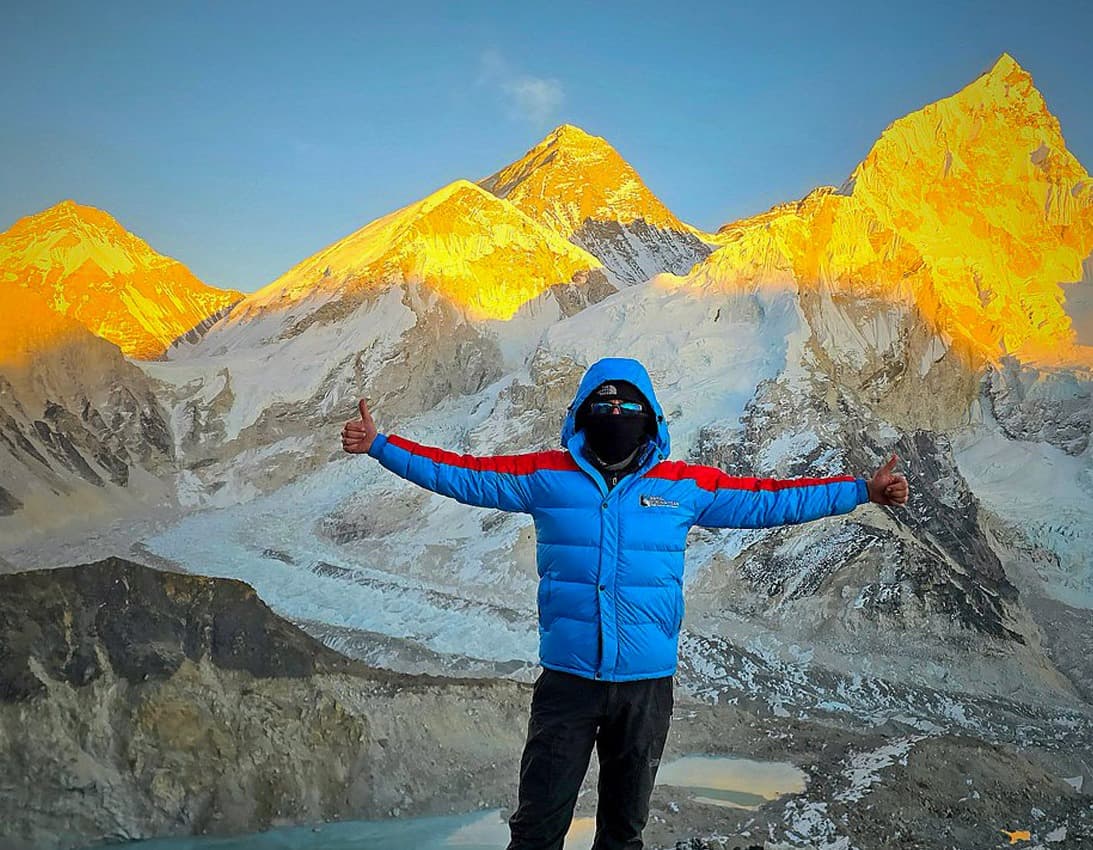
The Everest Base Camp trek itinerary should be well-planned, and a sufficient number of days should be provided to enjoy the glorious highlights of the journey. The majority of trekkers have some sort of destination to reach well-known viewpoints, customary towns, monasteries, and also some astonishing Himalayan views. Namche Bazaar, Tengboche Monastery, and Kala Patthar: you can view Everest, but not only the Everest Base Camp trek. Travel time in itself gets more rewarding when mixed with sightseeing. However, the Everest Trek is not only about this one place; it’s about celebrating all of the landscapes, culture, and tales that are abundant throughout the Everest Region.
Organize Your Trip in the Proper Season
The trekkers’ itinerary of the Everest Base Camp Trek will be highly influenced by the trekking season. Spring, autumn, and early summer are usually considered the best seasons (anchors probably may not be referred to), as the weather is relatively settled but often mixed, with good visibility (up to 3000 m in mountains) and good trail conditions.
Winter tours are prepared better because you have the chance of icy weather or even snow, and monsoon season could make it more difficult than attacking heavy showers and views. Choosing an itinerary depending on the quality of the local seasonal snow goes a long way to ensuring safety and enjoyment. With the right trek preparation and timing, travelers will experience the most splendid beauty of the Everest region.
Find out if you need a guided trek
It is even more at ease/secure with a guided Everest Base Camp trek itinerary, especially if you are a beginner. They are also quite familiar with the route, altitude, climate, and cultural aspects. They dominate in goodness in the here and now course of the day-to-day exercises, putting to rest excursion choices of different difficulties all through the travel. Independent trekking is possible for seasoned vaccine-free travelers, but guided assistance makes it easy and fun. It all comes down to how confident you are and your experience levels and the style of trekking that you want to do, as in a guided or independent trek.
Balance Comfort and Adventure Level
The most appropriate Everest Base Camp Trek itinerary is one that fits each trekker’s comfort and adventure levels, which can be very different from hiker to hiker. Some cyclists enjoy touring slower, with more rest and laid-back accommodation, while others simply may enjoy riding the vibe of a faster speed. Because a higher fitness level is available, many are trekking at this time also. It avoids the rush, provides time for adequate acclimatization, and allows ample opportunity to appreciate some of the stunning beauty found throughout this vast region.
It becomes an impossible experience to have your Himalayan trek, but it is a very difficult journey, actually. The style of trekking itself is conditioned by the number of hours to walk, whether you will have shelter or not, and other leisure alternatives. A balanced approach ensures that it is a fun journey rather than an overburdening one. The itinerary is tailored in the manner that allows one to embrace the excitement of Himalayan joy fully while leaving a personal touch throughout it.
Select an itinerary that makes your travel journey one to remember
The best itinerary for the Everest Base Camp Trek you can find is one that meets your goals, fitness, calendar, and wishes in relation to this trek. Proper preparation for failure. Years to live in your stay? Regardless of whether it’s one of the ordinary EBC Treks or even a long-distance exploration, arranging helps you further develop your opportunities to go through everything. Everest Basecamp is more than a workout: the trek preparation and the right schedule To an unforgettable Himalayan trek loaded with mountain vistas, cultural experiences, and a bit of personal accomplishment.