Best Time for Tanzania Safari: A Complete Seasonal Guide
Tanzania is one of the few destinations on Earth where you can plan a safari around a single, spectacular event: the Great Migration. But the “best” time to visit depends heavily on what you want to see, where you want to go, and how you feel about rain, crowds, and budget. This guide breaks down Tanzania’s seasons month by month so you can match your trip to your priorities, whether that’s witnessing river crossings in the Serengeti, spotting the Big Five in Ngorongoro Crater, or climbing Kilimanjaro under clear skies.
Understanding Tanzania’s Climate
Tanzania sits just south of the equator, which means it doesn’t experience the four traditional seasons. Instead, the country cycles through two main patterns: a dry season and a wet season, each with its own sub-phases. Elevation also plays a huge role — the Serengeti plains, the highlands around Ngorongoro, and the slopes of Kilimanjaro can all feel like different climates on the same day.
Broadly speaking, Tanzania’s year splits into four periods:
- Long dry season: late June to October
- Short rains: November to early December
- Short dry spell: late December to February
- Long rains: March to May
Each of these windows offers a distinctly different safari experience.
Dry Season (June to October): The Classic Safari Window
This is peak season for good reason. Vegetation thins out, water sources shrink, and animals congregate around remaining rivers and waterholes, making wildlife easier to spot. Skies are clear, mornings are crisp, and game drives rarely get rained out.
Wildlife highlights: From July through September, the Great Migration typically brings over a million wildebeest and hundreds of thousands of zebras into the northern Serengeti, where they face the dramatic Mara River crossings. Crocodiles, lions, and other predators trail the herds, creating some of the most intense wildlife viewing on the continent.
Weather: Daytime temperatures are pleasant, generally between 24-27°C (75-80°F), with cool nights, especially at higher elevations. Rain is minimal.
Trade-offs: This is also when Tanzania sees the most visitors. Popular areas like the Serengeti’s northern corridor and the Ngorongoro Crater rim can feel crowded, and both accommodation and park fees are at their highest. Booking six to twelve months in advance is strongly recommended for lodges and mobile camps in prime migration locations.
Best for: First-time safari-goers, migration river crossings, reliable game viewing, and travelers who prioritize comfort over cost.
Short Rains (November to Early December): The Underrated Window
Often overlooked, this shoulder season delivers a compelling mix of value and scenery. Brief afternoon showers green up the landscape without derailing game drives, which usually proceed normally in the mornings and clear up by afternoon.
Wildlife highlights: The migration herds move south from the Mara region back toward the southern Serengeti during this period, and newborn wildebeest calves begin appearing later in the season. Birdlife is exceptional, as migratory species from Europe and Asia arrive to join Tanzania’s resident birds.
Weather: Warm and humid, with short, predictable rain showers rather than prolonged downpours.
Trade-offs: Some low-lying roads can become muddy, and a few remote camps close briefly for maintenance. However, park fees often drop and lodges offer better rates.
Best for: Budget-conscious travelers, birdwatchers, and those who want a quieter, greener Serengeti without sacrificing much wildlife activity.
Short Dry Spell (Late December to February): Calving Season
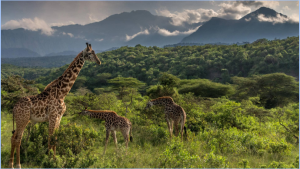
This brief window between the rains is a favorite among repeat safari travelers. The southern Serengeti and Ndutu region transform into a nursery for the wildebeest population.
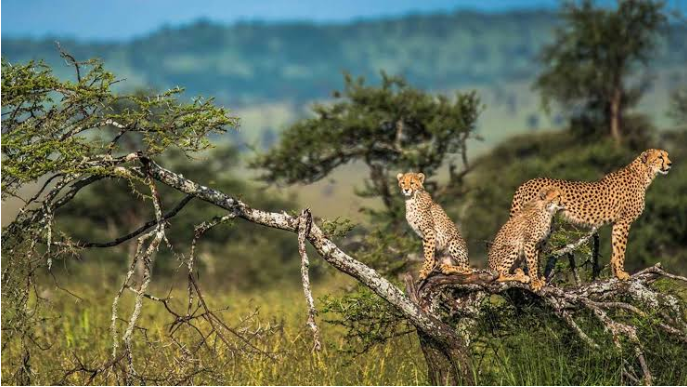
Wildlife highlights: Between late January and March, hundreds of thousands of wildebeest calves are born within a few short weeks, drawing predators like lions, hyenas, and cheetahs into dramatic hunting scenes. This is widely considered one of the most action-packed periods for predator-prey interactions anywhere in Africa.
Weather: Generally dry and warm, with occasional light showers. Landscapes are lush and green from the preceding short rains.
Trade-offs: The calving action is concentrated in the southern Serengeti and Ndutu area, so travelers hoping to see the northern Mara River crossings will need to plan a different trip window. December also overlaps with the holiday travel season, so prices and demand rise around Christmas and New Year.
Best for: Predator sightings, calving season, and travelers who want dramatic action over river crossings.
Long Rains (March to May): The Quiet, Budget-Friendly Season
This is Tanzania’s low season, and for good reason — rainfall is heavier and more sustained, particularly in April, which sees the most precipitation of the year.
Wildlife highlights: Wildlife viewing is still possible, and animals don’t disappear; they’re simply more dispersed across lush vegetation, which can make spotting them harder. Birdlife remains outstanding, and the scenery is at its greenest and most photogenic.
Weather: Expect frequent, sometimes heavy rain, high humidity, and muddy roads. Some camps in remote areas close entirely during April and part of May.
Trade-offs: This is the trade-off season: significantly lower prices, fewer crowds, and a more intimate experience, in exchange for unpredictable weather and reduced accommodation options.
Best for: Budget travelers, photographers who love dramatic skies and green landscapes, and those visiting Zanzibar’s beaches or other non-safari-focused itineraries where rain matters less.
Best Time by Travel Goal
For the Great Migration river crossings: Visit the northern Serengeti between July and September.
For wildebeest calving and predator action: Visit the southern Serengeti and Ndutu area between late January and March.
For value without sacrificing much wildlife activity: Consider November or early December.
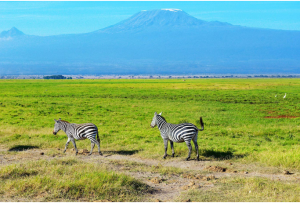
For Kilimanjaro climbing: The clearest, driest conditions occur during the long dry season (June-October) and the short dry spell (late December-February). Avoid the long rains in March-May, when trails become slippery and visibility drops.
For Zanzibar beach add-ons: June to October and December to February offer the sunniest, driest beach weather, pairing well with a mainland safari.
For birdwatching: November through April, when migratory birds from the northern hemisphere join Tanzania’s resident species.
Regional Considerations
Tanzania is large, and different parks favor different seasons:
- Serengeti National Park: Best year-round, but timing determines which part of the park to focus on, since the migration moves in a roughly circular pattern through the year.
- Ngorongoro Crater: A reliable, high-density wildlife destination in any season, thanks to its resident (non-migratory) animal population.
- Tarangire National Park: Shines in the dry season, when elephants and other wildlife concentrate along the Tarangire River.
- Lake Manyara: Good year-round, with lush scenery during the rains and easier spotting during dry months.
- Selous (Nyerere) and Ruaha: Southern circuit parks that peak from June to October, with many camps closing during the heaviest rains.
Practical Planning Tips
- Book early for peak season: If you’re targeting July-September or the Christmas/New Year period, reserve lodges and flights at least six to nine months ahead.
- Pack for temperature swings: Even in the dry season, early morning game drives can be cold, especially at higher elevations, while afternoons warm up considerably.
- Consider a mixed itinerary: Combining the southern Serengeti in calving season with the northern Serengeti later in the year (on separate trips) lets you experience two very different chapters of the migration story.
- Factor in shoulder-season savings: November and late May can offer some of the best value, with fewer crowds and still-solid wildlife viewing.
Conclusion
There isn’t a single “best” month for a Tanzania safari — there’s a best month for you, based on what you want to witness. Travelers chasing the drama of river crossings should aim for July through September. Those drawn to newborn wildebeest and high-speed predator chases should target late January through March. Budget-conscious travelers and birdwatchers will find excellent value and scenery in the shoulder seasons of November and April-May. Whatever window you choose, Tanzania’s parks — anchored by the Serengeti and Ngorongoro Crater — deliver exceptional wildlife encounters nearly every month of the year. The key is aligning your travel dates with your personal priorities: spectacle, value, weather, or a mix of all three.
Key Takeaways
- Tanzania has two main seasons: dry (June-October) and wet (March-May), with short transitional periods in between.
- July to September is peak season for Great Migration river crossings in the northern Serengeti, but also the busiest and most expensive time to visit.
- Late January to March brings the wildebeest calving season in the southern Serengeti and Ndutu, along with intense predator activity.
- November and early December offer a lush, quieter, and more affordable safari with good wildlife viewing.
- March to May is the low season with the heaviest rains, offering the lowest prices but the least predictable conditions, and some camps close.
- Ngorongoro Crater offers strong wildlife viewing year-round due to its resident animal population.
- Kilimanjaro climbers should aim for the dry season windows (June-October or late December-February) for the safest, clearest conditions.
Frequently Asked Questions
What is the single best month to visit Tanzania for a safari? For most travelers, July through September is considered the best overall window, combining dry weather, easy wildlife spotting, and the chance to see Mara River crossings. However, late January to March is equally compelling for those who prioritize calving season and predator action.
When should I avoid visiting Tanzania? April is generally the least favorable month for a safari due to heavy, sustained rainfall, muddy roads, and some camp closures, particularly in remote areas.
Is it possible to see the Great Migration year-round? The migration herds are in Tanzania for most of the year, but their location changes seasonally. They’re in the southern Serengeti and Ndutu from roughly December to March, moving through the central and western Serengeti April through June, and in the northern Serengeti and Maasai Mara border area July through October.
Is the rainy season a bad time for a safari? Not necessarily. The rains tend to fall in short afternoon bursts rather than all-day downpours (except in April), and mornings are often clear. Wildlife is still visible, landscapes are greener, and prices are notably lower.
How far in advance should I book a Tanzania safari? For peak season (July-September) or the December holidays, book six to twelve months ahead, especially for popular camps near the Mara River or Ngorongoro Crater rim. Shoulder and low seasons offer more flexibility and can often be booked a few months out.
Does the best time for a safari also work for Zanzibar? Largely yes. June to October and December to February are dry and sunny on Zanzibar, making them ideal for pairing a mainland safari with a beach extension. April and May are the wettest months on the islands as well as on the mainland.
What’s the weather like during the safari’s peak season? Expect warm, dry days around 24-27°C (75-80°F) and cool nights, particularly at higher-altitude locations like the Ngorongoro Crater rim, where temperatures can drop close to freezing after dark.